Get Your Finances in Order with Apps and Online Tools


Get Your Finances in Order with Apps and Online Tools
Getting your finances under control can feel overwhelming—especially when juggling bills, subscriptions, and everyday expenses. But with today’s digital tools, managing money has never been easier. Whether you want to build a budget, save for a vacation, or simply stop overspending on takeout, apps and online tools can help you take charge and bring peace of mind to your financial life.
Start with a Clear Picture
Before you can improve your finances, you need to know where your money is going. Most banks now offer apps that automatically categorize your spending—such as groceries, transportation, housing, and entertainment—so you can quickly see where your biggest expenses lie and where you might cut back.
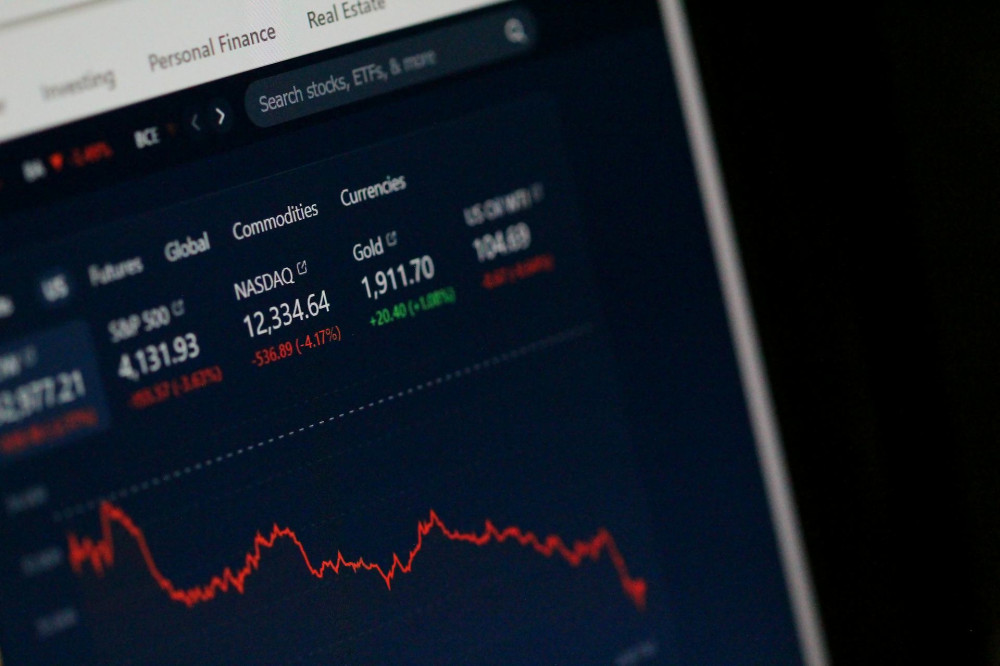
If you want a more detailed overview, try budgeting tools like Mint, YNAB (You Need a Budget), or EveryDollar. These apps sync with your bank accounts and display your spending patterns in charts and reports, making it easier to spot trends—like how much you really spend on streaming services or coffee runs.
A good habit is to review your spending once a month. That way, you can make small adjustments before problems snowball.
Build a Budget That Fits Your Lifestyle
A budget shouldn’t feel restrictive—it should help you prioritize what matters most. Many apps make it easy to set spending limits for different categories and send alerts when you’re close to reaching them.
Apps like Goodbudget or PocketGuard let you create “envelopes” or “buckets” for specific goals, such as rent, entertainment, or savings. Separating your money this way helps you stay organized and avoid overspending.
A simple rule of thumb is the 50/30/20 rule: 50% of your income goes to needs, 30% to wants, and 20% to savings or debt repayment. Most budgeting apps can help you track and maintain this balance automatically.
Læs også:



Make Saving and Investing Simple
Saving doesn’t have to mean setting aside large sums—it’s about consistency. Apps like Acorns and Qapital make saving effortless by rounding up your purchases to the nearest dollar and investing the spare change. Over time, those small amounts can add up.
If you’re ready to start investing, user-friendly platforms like Robinhood, Fidelity Spire, or Betterment allow you to invest small amounts in stocks or ETFs. Many of these apps offer educational resources and risk assessments to help you get started confidently.
Remember, investing always involves risk. Start small, and make sure you have an emergency fund before diving in.
Keep Track of Subscriptions and Recurring Bills
It’s easy to lose track of how many subscriptions you’re paying for—streaming, fitness, software, and more. Apps like Truebill (now Rocket Money) or Bobby can scan your transactions and list all your recurring payments in one place.
You can quickly see which subscriptions you rarely use and cancel them directly through the app. Cutting just a few unused services can free up extra cash each month for savings or experiences you truly value.
Manage Shared Finances Smoothly
If you share expenses with a partner, roommate, or friend, digital tools can make collaboration easier. Apps like Splitwise or Venmo help you track shared costs—like groceries, rent, or trips—and settle up without awkward conversations about who owes what.
Some banks also offer joint accounts with individual cards, allowing you to manage shared and personal spending while keeping everything transparent.
Stay Safe and Protect Your Data
When using financial apps, security should always come first. Look for tools that offer two-factor authentication, encryption, and clear privacy policies. Avoid sharing login details, and pay attention to what data each app can access.
Most reputable apps comply with strict U.S. data protection standards, but it’s still wise to read the fine print before linking your bank accounts.
Make Money Management a Habit, Not a Hassle
Getting your finances in order isn’t just about numbers—it’s about building better habits. With the right digital tools, you can automate much of the work and focus on your goals instead. Start small—check your spending weekly or set up an automatic transfer to savings—and build from there.
With a few smart apps and a bit of consistency, you can create a financial system that feels organized, secure, and aligned with your priorities. It’s not about cutting out everything fun—it’s about spending intentionally on what truly matters to you.
Læs også: