Modularity and Sustainability: Software That Lasts Longer and Wastes Less


Modularity and Sustainability: Software That Lasts Longer and Wastes Less
When we talk about sustainability, we often think of renewable energy, electric cars, or recycling. But sustainability also has a digital dimension. Behind every app, website, and cloud service lies code that consumes resources—time, energy, and hardware. Software that becomes obsolete too quickly, systems that can’t be reused, and applications that demand constant rebuilding all contribute to a kind of digital waste. One of the most effective ways to counter this is through modularity—a design principle that helps software last longer and waste less.
What Does Modularity Mean?
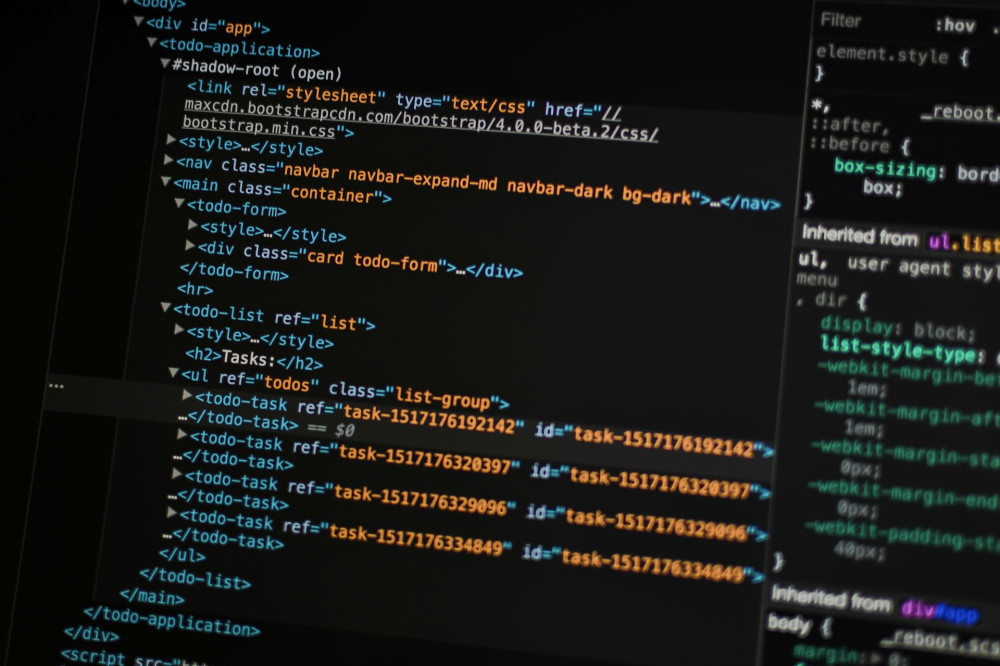
Modularity means breaking a system into smaller, independent parts—modules—each responsible for a specific function. Instead of one massive, tangled codebase, you get a collection of components that can be replaced, reused, or improved without disrupting the whole system.
Think of it like building with LEGO bricks: you can swap out one piece without tearing down the entire structure. This approach makes development more flexible and reduces the risk that a single outdated component will force you to discard the entire system.
Læs også:



Why Modularity Supports Sustainability
Modular software is easier to adapt to new technologies and changing requirements. Instead of starting from scratch, developers can update or replace individual modules, extending the system’s lifespan and reducing waste.
This approach has several sustainability benefits:
- Less wasted development effort – existing code can be reused across projects.
- Lower energy consumption – smaller, modular builds require fewer computing resources to develop and test.
- Fewer dependencies – modular systems are more resilient and easier to maintain.
- Longer lifespan – software can evolve with its environment instead of being replaced entirely.
In short, modularity allows us to think of software as part of a circular economy—where components are reused and improved rather than discarded.
Real-World Examples
Many modern software ecosystems already rely on modular principles. Open-source projects like Linux and Node.js are built from thousands of small, interchangeable components that together form flexible, maintainable systems.
In the business world, modularity is driving the shift from monolithic architectures to microservices—small, independent services that can be updated and scaled separately. This approach allows companies to respond to new demands quickly without disrupting entire systems, saving both time and resources.
Modularity as a Cultural Shift
Building sustainable software isn’t just about architecture—it’s also about culture. Modularity requires collaboration, documentation, and accountability. Each component should be transparent, well-documented, and easy for others to understand and maintain.
This mindset also means prioritizing quality over speed. Quick fixes may seem efficient in the short term, but they often lead to technical debt—a kind of digital waste that slows systems down over time. Modularity is an investment in the future, not a shortcut to faster delivery.
A Greener Digital Future
While software itself doesn’t emit carbon, it runs on servers, networks, and devices that do. The more efficient and reusable our code is, the less energy it takes to develop, deploy, and maintain. In large-scale data centers—many of which power the U.S. digital economy—small improvements in software efficiency can translate into significant energy savings.
That’s why modularity isn’t just a technical choice; it’s an ethical one. By designing systems that can evolve and endure, we reduce the need for constant redevelopment and help build a more sustainable digital infrastructure.
Software That Lasts
Sustainable software development is ultimately about creating value that endures. Modularity gives us the tools to build systems that can grow, adapt, and survive in a rapidly changing technological landscape. It’s software that lasts longer, performs better, and wastes less—a foundation for a more sustainable digital future.
Læs også: