Future Energy Management: Smart Solutions for a More Sustainable Home

Future Energy Management: Smart Solutions for a More Sustainable Home
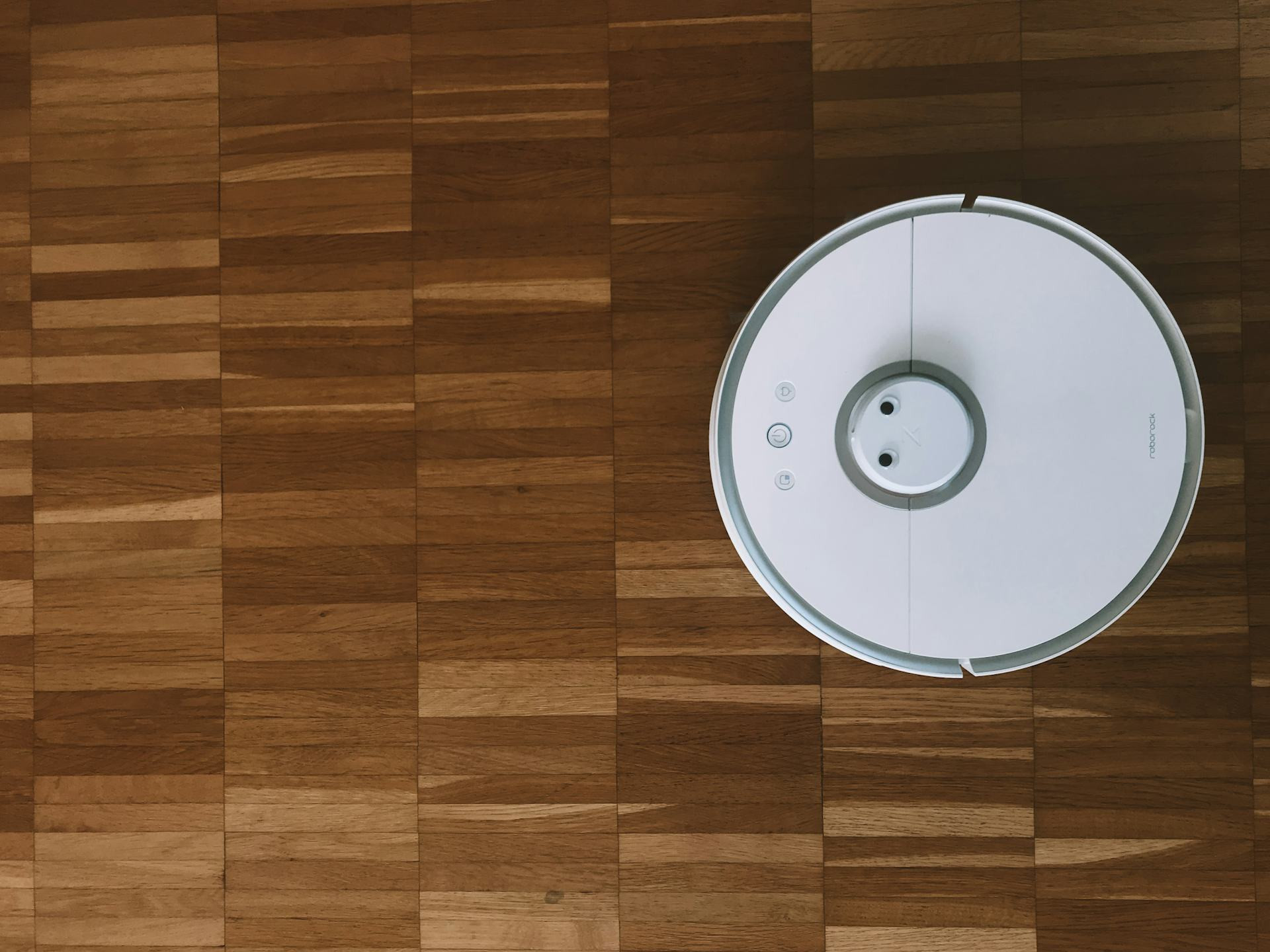
As energy costs fluctuate and environmental awareness grows, smart energy solutions are becoming an essential part of modern living. The homes of the future are not just about comfort and design—they’re about efficiency, sustainability, and intelligent control. With today’s technology, you can monitor, optimize, and automate your energy use in ways that save money and reduce your carbon footprint.
What Is Smart Energy Management?
Smart energy management means using technology to control and optimize how energy is consumed in your home. This can include everything from smart thermostats that learn your habits to solar systems that adjust to weather conditions and electricity prices. The goal is to use energy when it’s most affordable and environmentally friendly—and to avoid waste.
These systems collect data from sensors, appliances, and the power grid, using algorithms to predict needs and adjust consumption automatically. That means you no longer have to remember to turn down the heat or switch off the lights—your home can do it for you.
Smart Thermostats and Thoughtful Heating
One of the most common examples of smart energy management is the smart thermostat. These devices can detect when you’re home and automatically adjust the temperature. Some models even factor in weather forecasts and your home’s insulation to maintain comfort with minimal energy use.
By combining thermostats with room sensors, you can avoid heating empty spaces and gain a detailed overview of where energy is being used. This can reduce heating and cooling costs by up to 20 percent without sacrificing comfort.
Læs også:



Solar Power and Storage – When Your Home Generates Its Own Energy
Solar panels are no longer just for the eco-conscious. With falling prices and improved battery technology, more households can now produce and store their own electricity. A smart energy system can decide when to use, store, or send power back to the grid.
For example, the system might charge your electric vehicle when the sun is shining or when electricity rates are low. This ensures that energy is used efficiently and that you become less dependent on the traditional power grid.
The Electric Vehicle as Part of the Energy System
Electric vehicles play a key role in the future of energy management. They’re not just a means of transportation—they’re also mobile energy storage units. With “vehicle-to-grid” technology, your car can supply power back to your home or the grid when needed.
This means your car can help stabilize the grid while providing financial benefits. In the near future, many homes will be part of a flexible energy network where cars, solar panels, and batteries work together seamlessly.
Data, Apps, and Everyday Control
Most smart energy systems can be managed through apps that give you a detailed overview of your energy use. You can see how much energy goes to heating, lighting, and appliances—and get personalized suggestions for saving more.
Some systems integrate with voice assistants, allowing you to adjust the temperature or turn off the lights with a simple command. This makes energy management both easy and intuitive.
Security and Privacy – The Digital Challenge
As homes become more connected, new questions arise about data security and privacy. Smart systems collect large amounts of information about your habits and energy use. It’s important to choose solutions from manufacturers that prioritize data protection and give you control over how your information is used.
A good rule of thumb is to keep your systems updated and use strong passwords—just as you would with any other digital service.
A Step Toward a Greener Future
Smart energy management isn’t just about individual households. When many homes start using energy more intelligently, it can ease pressure on the grid, reduce peak demand, and make it easier to integrate renewable sources like solar and wind. It’s an important step toward a more flexible and sustainable energy system.
The homes of the future won’t just be smarter—they’ll be active participants in solving the climate challenge. And with the technologies already available today, that future is closer than you might think.
Læs også: