Voice Control at Home: How Technology Makes Everyday Life Easier and More Accessible

Voice Control at Home: How Technology Makes Everyday Life Easier and More Accessible
Imagine turning on the lights, adjusting the thermostat, or playing your favorite playlist—just by speaking a few words. Voice control is no longer a futuristic concept; it’s a part of everyday life for millions of Americans. In just a few years, the technology has evolved from a novelty to a practical tool that enhances comfort, efficiency, and accessibility at home.
Let’s take a closer look at how voice control works, what it can do, and how you can use it to make your daily routines simpler—whether you live in an apartment, a house, or just want to make one room a little smarter.
What Is Voice Control—and How Does It Work?
Voice control is built on speech recognition and artificial intelligence. When you speak to a device—such as a smart speaker or your smartphone—your words are converted into digital commands that the system can understand and act on.
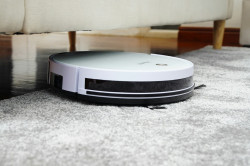
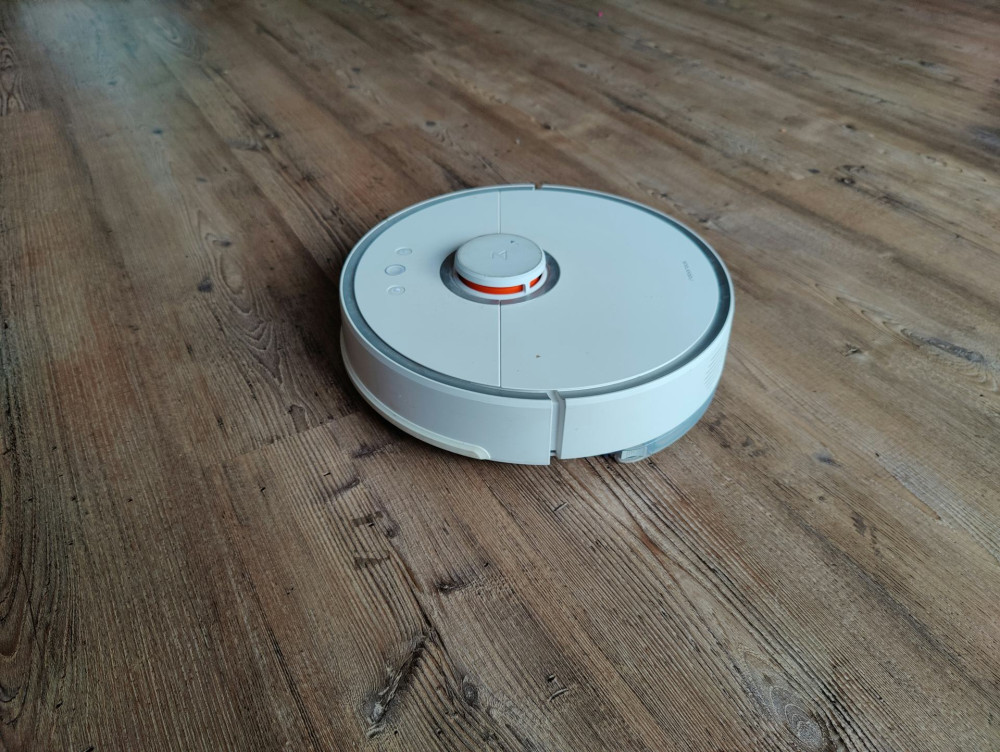
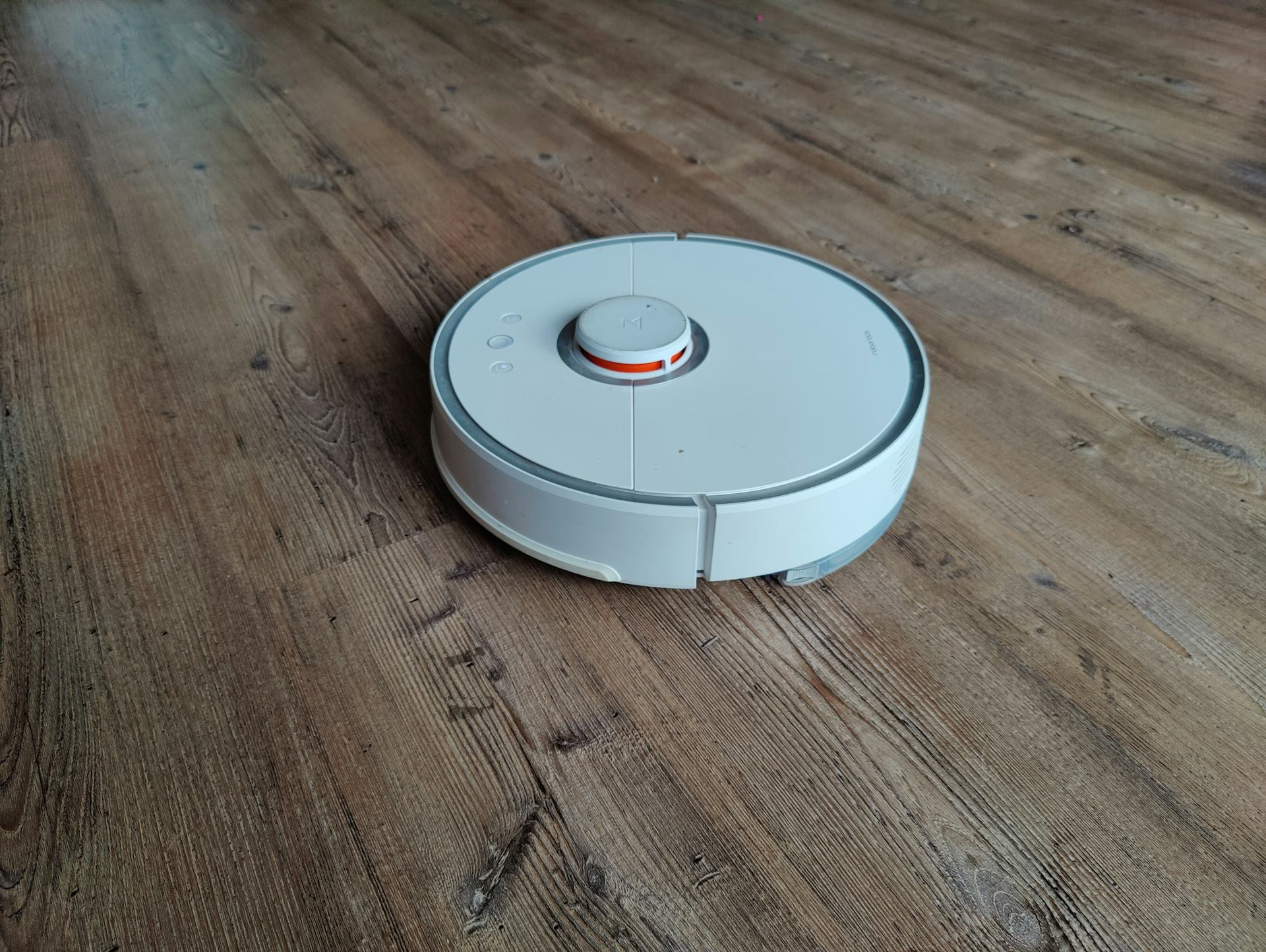
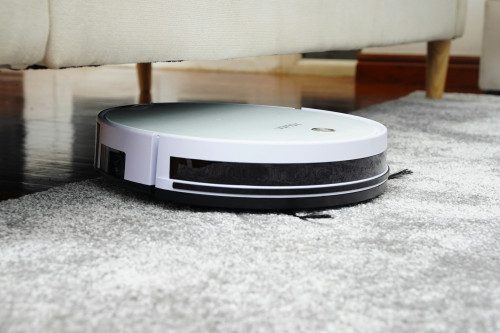
The most popular platforms in the U.S. are Amazon Alexa, Google Assistant, and Apple Siri, though many smart home brands also offer their own systems. These platforms can connect to everything from lights and thermostats to coffee makers and robot vacuums.
That means you can say “turn off the living room lights” or “start the vacuum,” and the system takes care of it. The more you use it, the better it learns your habits—and it can even start suggesting actions before you think of them yourself.
Læs også:



Everyday Comfort and Convenience
One of the biggest advantages of voice control is its sheer convenience. You don’t have to reach for your phone or open an app—you just speak.
- Lighting: Turn lights on or off, dim them, or set scenes like “movie night” or “morning light.”
- Temperature control: Adjust heating or air conditioning with your voice so your home is always comfortable when you arrive.
- Music and entertainment: Ask your system to play a specific song, radio station, or podcast—or even change the TV channel.
- Planning and organization: Have your assistant read your calendar, set reminders, or add items to your grocery list while you cook.
These small conveniences add up, making daily life smoother and less stressful.
Accessibility and Inclusion
Voice control isn’t just about comfort—it’s also a powerful tool for accessibility. For people with limited mobility, vision impairments, or other disabilities, voice-activated technology can make a huge difference.
It allows users to control lights, appliances, and communication tools without needing to reach for switches or screens. That independence can bring greater confidence and safety at home.
In the U.S., many organizations and care facilities are exploring voice-controlled systems to support seniors and people with disabilities—helping them call for assistance, control lighting, or hear messages read aloud, all through simple voice commands.
Getting Started
You don’t need to rebuild your home to start using voice control. You can begin small and expand as you go.
- Choose a platform. If you already use Apple, Google, or Amazon products, it’s easiest to stick with that ecosystem.
- Start with a smart speaker. Devices like the Amazon Echo or Google Nest Hub act as the central hub for voice control.
- Add smart devices. Begin with smart bulbs, plugs, or thermostats that connect via Wi-Fi.
- Set up routines. Combine multiple actions into one command—for example, “Good morning” could turn on the lights, start the coffee maker, and read the weather forecast.
Most systems are easy to install, even without technical experience, and many products now work across different brands.
Privacy and Security
When you talk to a digital assistant, your voice data is sent to a server for processing. Naturally, that raises questions about privacy and data security.
Major tech companies now offer options to delete recordings, limit data storage, and control what information is shared. It’s a good idea to review your privacy settings so you know exactly what’s being stored and why.
As with any technology, it’s about finding the right balance between convenience and peace of mind—and choosing solutions you trust.
The Future of Voice Control
Voice technology is advancing rapidly. Systems are becoming more accurate, understanding not just words but context and tone. In the near future, voice control will likely be built into nearly every household device—from refrigerators to security systems.
The technology is also becoming more personal. It can recognize different voices in a household, adapt to individual preferences, and even anticipate needs based on past behavior.
In short, voice control isn’t just a convenience—it’s a step toward a more intuitive, human-centered way of living with technology.
Læs også: