Generational Gaming: From Arcades to Online Communities

Generational Gaming: From Arcades to Online Communities
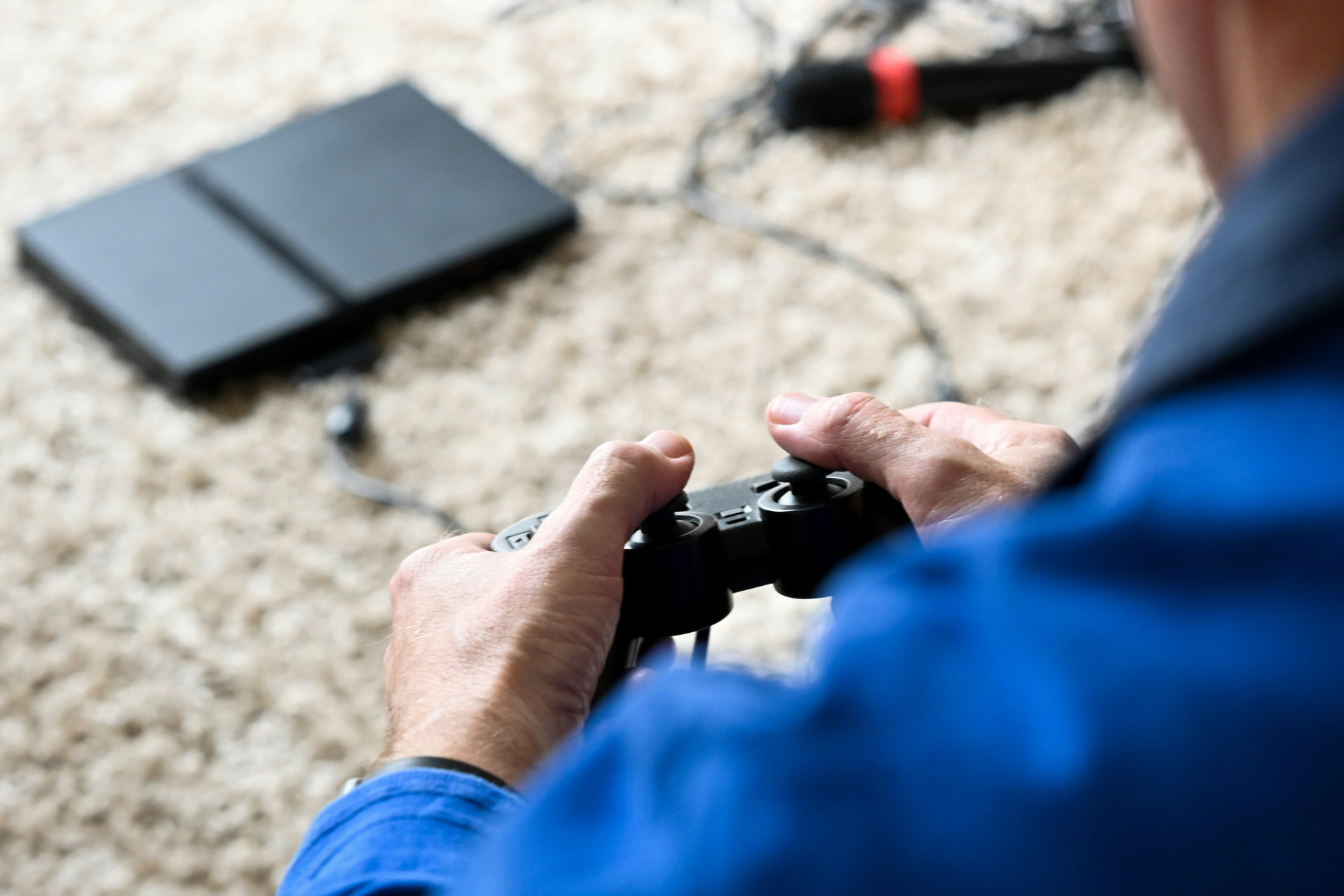
From the flashing lights of 1980s arcades to today’s vast online worlds, gaming has evolved into one of the most influential forms of entertainment. Each generation has had its own way of playing, yet the core appeal remains the same: fun, competition, and connection. What began as a niche pastime has become a central part of American culture, uniting kids, parents, and even grandparents across screens and platforms.
From Quarters and Joysticks to Living Room Consoles
In the late 1970s and 80s, arcades were the heart of gaming culture in the United States. Rows of machines featuring classics like Pac-Man and Space Invaders drew crowds of teenagers armed with pockets full of quarters. The arcade wasn’t just about high scores—it was a social hub, a place to hang out, compete, and show off your skills.
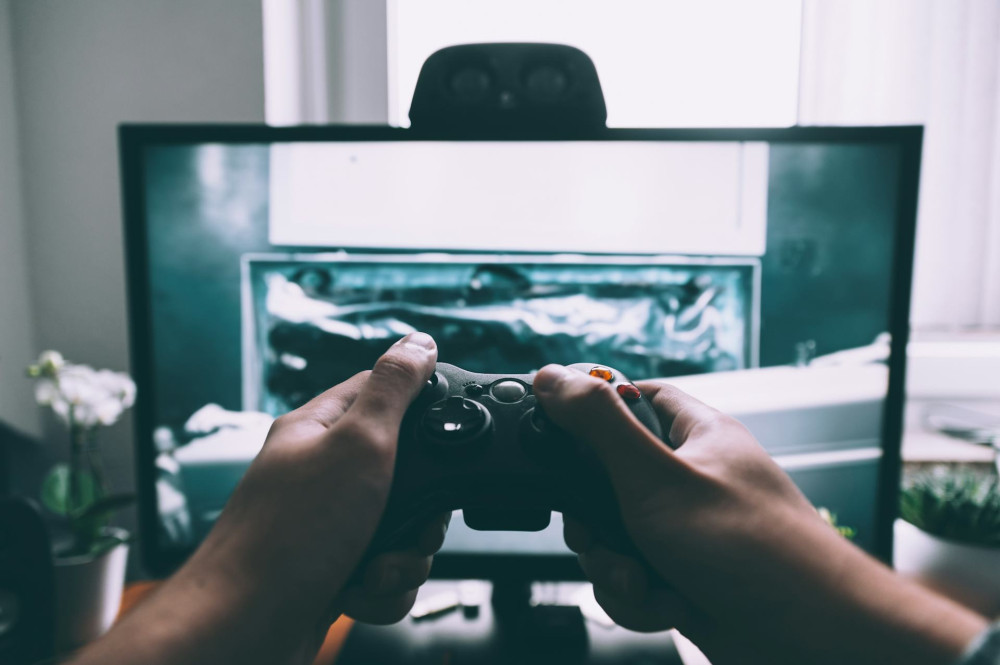
As home consoles like the Atari 2600, Nintendo Entertainment System, and Sega Genesis arrived, gaming moved into the living room. Suddenly, players could enjoy their favorite titles anytime, without leaving home. This shift changed not only how people played but also who played—gaming became a family activity, woven into everyday life.
The 1990s: Networks, LAN Parties, and Early Online Play
The 1990s brought rapid technological progress and the rise of the internet. Before broadband, gamers connected through local area networks (LANs), lugging bulky PCs to friends’ houses for all-night sessions of Doom, Quake, or StarCraft. These gatherings were the first taste of digital community—social, competitive, and deeply collaborative.
Meanwhile, the industry itself was maturing. 3D graphics, cinematic storytelling, and immersive soundtracks transformed games into experiences rivaling movies. Gaming was no longer just for kids; it was becoming a legitimate cultural medium for all ages.
Læs også:

The 2000s: The Online World Opens Up
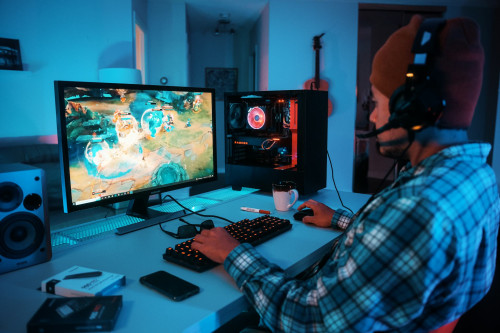
With the spread of high-speed internet, online gaming exploded. Titles like World of Warcraft, Halo 2, and Runescape connected millions of players across the globe. For many, these games became more than entertainment—they were social spaces where friendships formed and communities thrived.
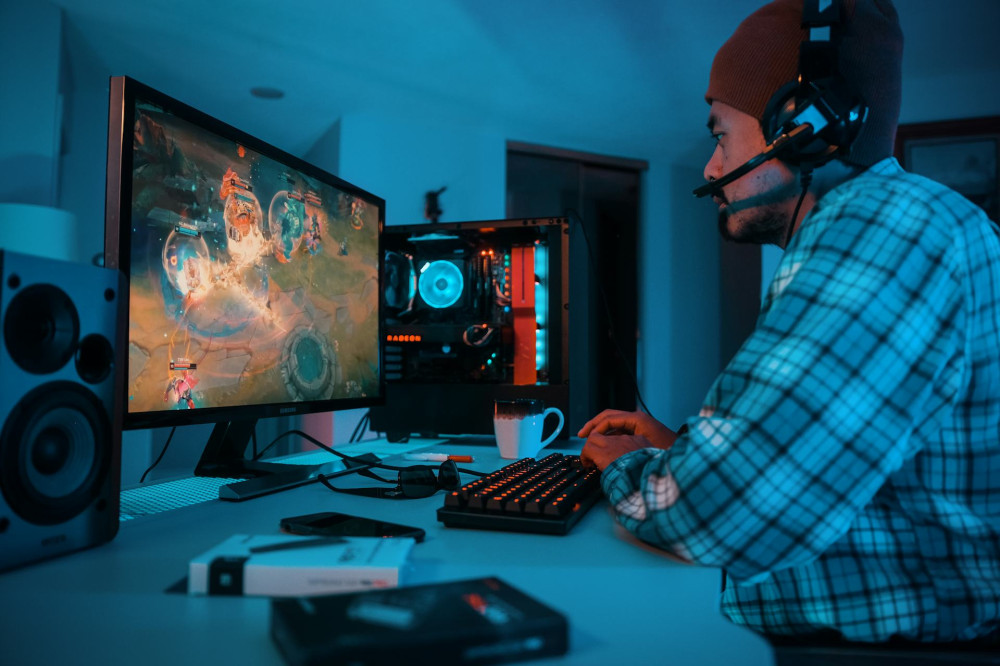
At the same time, competitive gaming, or eSports, began to take off. Professional players, massive tournaments, and streaming platforms like Twitch turned gaming into a spectator sport. What once happened in basements and dorm rooms was now broadcast to millions, creating new careers and fan cultures.
The 2010s and Beyond: Gaming as Culture and Community
Today, gaming is everywhere. Smartphones and tablets have made it possible to play anytime, anywhere, while social games like Fortnite, Minecraft, and Among Us have redefined what it means to play together. For younger generations, gaming is as much about socializing as it is about winning.
But it’s not just the young who play. Many adults who grew up with early consoles still game today—some even share the hobby with their children or grandchildren. Gaming has become a shared language across generations, a way to connect through creativity, challenge, and laughter.
From Competition to Creation
While early gaming focused on beating levels and setting records, modern gaming often centers on creativity. Platforms like Roblox and The Sims let players design worlds, tell stories, and express themselves. Beyond the games themselves, players create fan art, stream content, and build online communities that extend far beyond the screen.
A Shared Culture Across Generations
The story of gaming is not just about technology—it’s about people. From the clatter of coins in arcade machines to the digital landscapes of today, gaming has always been about play, exploration, and connection.
Now, generations meet not only in living rooms but also online. Grandparents play puzzle games with grandkids, parents team up with teens, and friends from across the world gather in virtual spaces. Gaming has become a shared cultural experience—one that continues to evolve with every new generation.
Læs også: