Fiber Internet and the Green Transition: How Efficient Data Transfer Promotes Sustainability

Fiber Internet and the Green Transition: How Efficient Data Transfer Promotes Sustainability
When Americans think about the green transition, the focus often falls on electric vehicles, solar panels, and wind farms. But as our society becomes increasingly digital, the way we move data also plays a crucial role in sustainability. Fiber internet—the high-speed connection that transmits information through light in glass fibers—is not just a technological upgrade. It’s also a key enabler of energy efficiency, resource optimization, and a more sustainable digital future.
Fiber Internet as an Energy-Efficient Technology
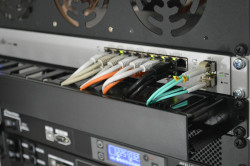
Fiber networks are inherently more energy-efficient than older technologies like copper cables or wireless data transmission. Because fiber uses light instead of electrical signals to carry information, it consumes significantly less energy per unit of data transferred. This means that both internet service providers and end users can reduce their overall electricity consumption.
Studies have shown that fiber connections can use up to 80% less energy than traditional copper-based networks. Fiber cables also generate less heat, which reduces the need for cooling in network equipment and data centers. As data traffic continues to grow exponentially, this efficiency becomes increasingly important for reducing the carbon footprint of our digital infrastructure.
Digitalization as a Driver of Green Solutions
A fast and reliable internet connection is the backbone of many technologies that support the green transition. From smart grids and telecommuting to precision agriculture and intelligent transportation systems, efficient data transfer is essential for innovation and sustainability.
- Remote work and virtual meetings reduce commuting and business travel, cutting transportation-related emissions.
- Smart home systems allow households to monitor and optimize heating, lighting, and energy use.
- Precision agriculture uses sensors and data analytics to minimize water and fertilizer use while maximizing yields.
- Industrial automation and remote monitoring help reduce waste, downtime, and energy consumption.
All of these solutions depend on stable, high-capacity connections—and fiber internet provides the most sustainable foundation for them.
Fiber and the Future of Data Infrastructure
The amount of data generated worldwide doubles roughly every two years. This rapid growth puts pressure on both infrastructure and energy resources. Fiber networks are a long-term investment because they can handle increasing data volumes without a proportional rise in energy use.
Fiber cables also have an exceptionally long lifespan. Once installed, they can remain in the ground for decades, and upgrades often only require replacing the equipment at each end—not the cables themselves. This durability reduces the need for new materials and construction work, further lowering environmental impact.
Læs også:


The Green Transition at Home
For individual households, fiber internet can also support a more sustainable lifestyle. A stable, high-speed connection makes it easier to work from home, stream entertainment efficiently, and use digital services instead of physical alternatives—all of which can reduce energy use and emissions.
Fiber networks can also enable community-based energy initiatives, such as neighborhood solar sharing or smart energy management platforms. These local solutions demonstrate how digital infrastructure and environmental sustainability go hand in hand.
A Sustainable Investment—Economically and Environmentally
While building fiber networks requires upfront investment, the long-term benefits are clear. Fiber offers lower operating costs, reduced energy consumption, and a future-proof infrastructure that supports both economic growth and environmental goals. For municipalities, businesses, and households alike, fiber internet is both a smart financial decision and a step toward a greener future.
The green transition isn’t only about producing cleaner energy—it’s also about using energy more intelligently. Fiber internet plays a central role in that shift, serving as the digital backbone of a more efficient, connected, and sustainable America.
Læs også: