From Dial-Up to Gigabit: The Evolution of the Internet Over the Years

From Dial-Up to Gigabit: The Evolution of the Internet Over the Years
From the screeching tones of dial-up modems in the 1990s to today’s lightning-fast fiber and gigabit connections, the internet has transformed nearly every aspect of American life. What began as a novelty for tech enthusiasts has become the backbone of modern society—powering communication, commerce, entertainment, and education. Let’s take a look at how the internet has evolved in the United States and what the future might hold.
The Early Days – Dial-Up and the Sound of Connection
In the early 1990s, getting online meant plugging a modem into your phone line and waiting for that familiar series of beeps and static as the connection was established. Speeds of 14.4 or 28.8 kilobits per second were the norm, and loading a single image could take minutes. While the phone line was in use, no one could make or receive calls—a small price to pay for access to a new digital frontier.
Despite the limitations, dial-up was revolutionary. Services like AOL, CompuServe, and Prodigy introduced millions of Americans to email, chat rooms, and the World Wide Web. For many, that distinctive connection sound symbolized the beginning of a new era—one where information and communication were just a click away.
Læs også:

Broadband Arrives – DSL and Cable Change the Game
By the late 1990s and early 2000s, broadband connections began to replace dial-up. DSL and cable internet offered “always-on” access and speeds measured in megabits per second rather than kilobits. Suddenly, the web became faster, richer, and more useful. Americans could stream music, shop online, and explore a growing number of websites without tying up the phone line.
This period also saw the rise of online banking, e-commerce, and early social networks. The internet was no longer a curiosity—it was becoming an essential part of daily life. Cable companies and telecom providers raced to expand coverage, and broadband adoption soared across the country.
Going Wireless – Wi-Fi and Mobile Internet
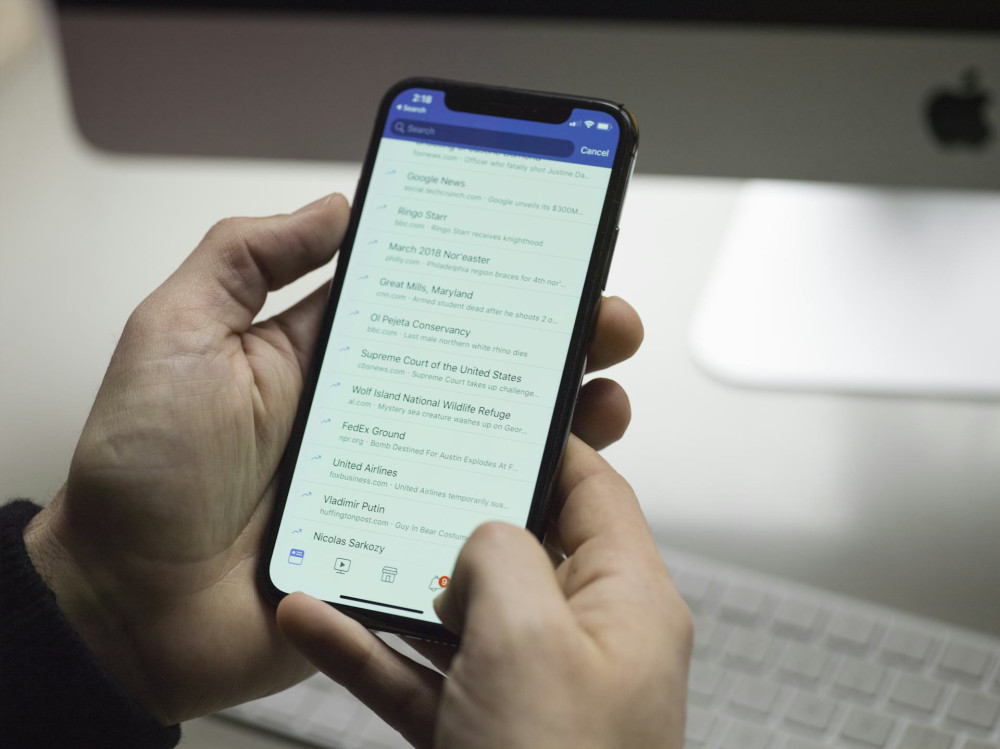
In the 2000s, the internet cut the cord. Wi-Fi routers made it possible to move freely around the house with a laptop, while mobile networks like 3G and later 4G brought the web to smartphones. The launch of the iPhone in 2007 marked a turning point: the internet was no longer something you “went on,” but something you were always connected to.
Social media platforms, streaming services, and mobile apps reshaped how Americans communicated and consumed content. From checking email on the go to watching movies on a tablet, the internet became a constant companion. Data usage skyrocketed, and the demand for faster, more reliable connections grew.
The Gigabit Era – Fiber and 5G Take Over
Today, the United States is entering the gigabit age. Fiber-optic networks deliver speeds that once seemed unimaginable, enabling seamless 4K streaming, cloud gaming, and remote work with massive files. Cities and suburbs alike are seeing rapid fiber expansion, while rural areas are beginning to benefit from new infrastructure initiatives.
At the same time, 5G wireless networks are unlocking new possibilities—from smart homes and connected cars to telemedicine and the Internet of Things. The internet has become more than a tool; it’s a critical infrastructure supporting innovation, business, and everyday life.
Looking Ahead – Quantum Networks and Global Connectivity
The evolution of the internet is far from over. Researchers are developing quantum networks that could transmit data with unprecedented speed and security. Meanwhile, companies like SpaceX and Amazon are launching satellite constellations to bring high-speed internet to even the most remote corners of the country.
As the internet becomes faster and more pervasive, new challenges arise: protecting privacy, ensuring cybersecurity, and closing the digital divide. The next chapter of the internet’s story will be about more than speed—it will be about access, equity, and trust.
From Static Tones to a Digital Backbone
In just a few decades, the internet has grown from a noisy dial-up connection to the invisible backbone of modern America. It has changed how we work, learn, shop, and connect with one another. And while it’s easy to take today’s instant connectivity for granted, it’s worth remembering where it all began—with a modem dialing into a world that was only beginning to take shape.
Læs også: