What Exactly Is an App? The Difference Between Mobile Apps, Websites, and Computer Programs

What Exactly Is an App? The Difference Between Mobile Apps, Websites, and Computer Programs
The word app gets thrown around a lot these days — from games on your phone to software on your laptop and even online services you use in your browser. But what does it actually mean when we talk about an “app”? And how is a mobile app different from a website or a traditional computer program? Here’s a clear overview that helps you understand the differences — and why they matter in the way we use technology every day.
What Is an App?
An app is short for application — a piece of software designed to perform a specific task for the user. That could mean sending messages, editing photos, managing your finances, or streaming music. While most people today associate the word with smartphones, it actually covers many types of software across different devices.
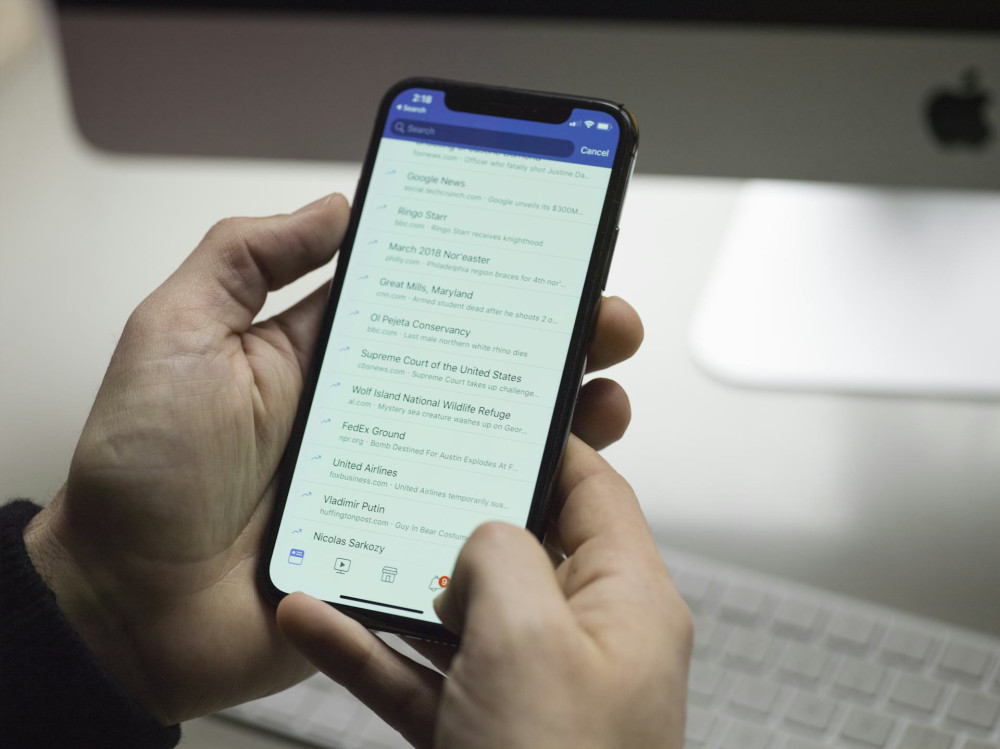
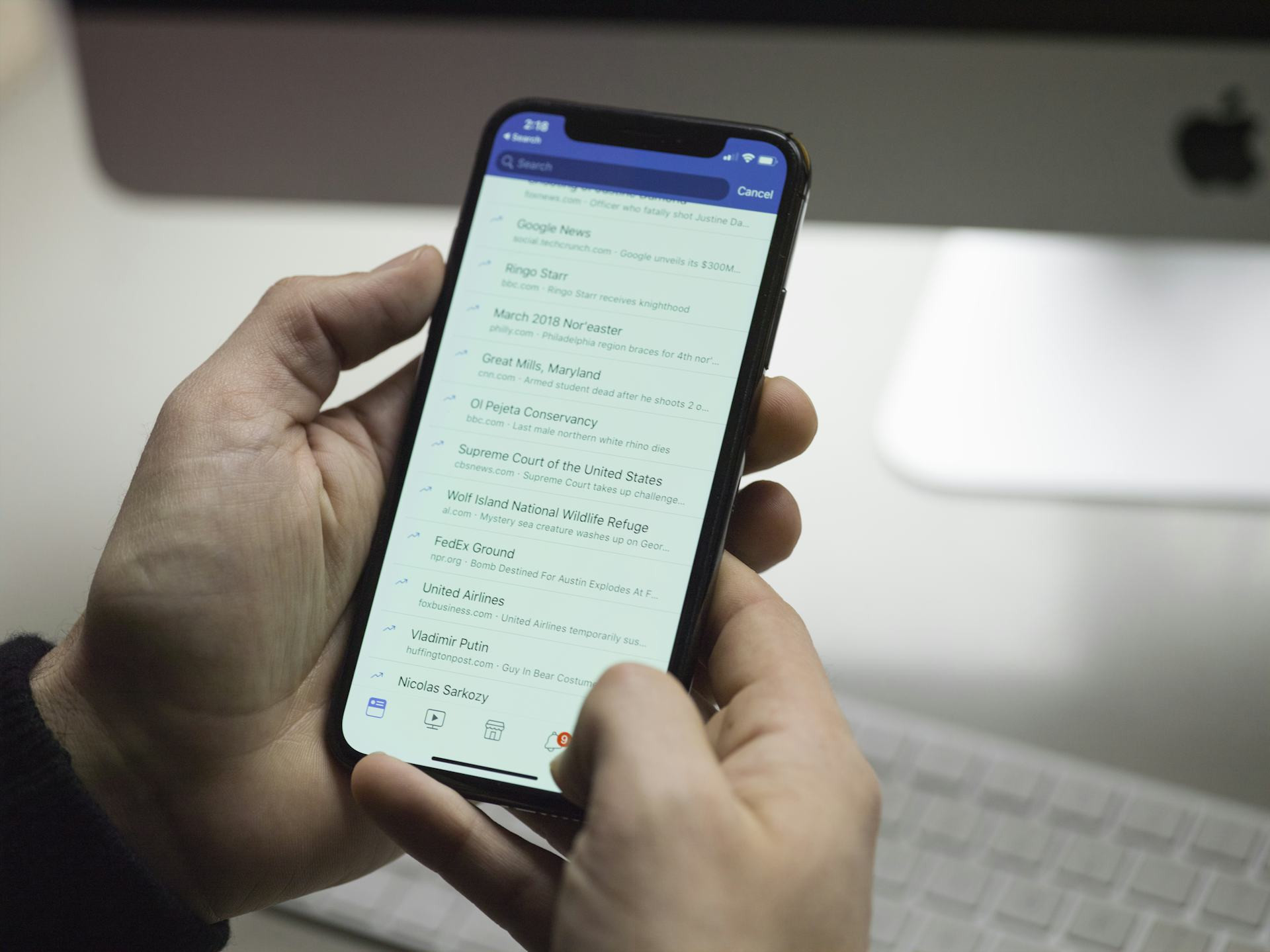
When you open an app on your phone, you’re using a program built specifically for your device’s operating system — for example, iOS (Apple) or Android (Google). These apps are usually downloaded from an app store like the Apple App Store or Google Play and installed directly on your device.
Mobile Apps – Designed for Life on the Go
Mobile apps are built to work on small screens and with touch controls. They take advantage of your phone’s built-in features like the camera, GPS, microphone, and sensors, making them fast and convenient to use.
There are two main types of mobile apps:
- Native apps – developed specifically for one operating system. They run smoothly and efficiently but must be built separately for each platform.
- Hybrid or web-based apps – created using web technologies like HTML and JavaScript but packaged as an app. They can run on multiple platforms, though they may be slightly slower.
Mobile apps are perfect for quick, frequent tasks — checking messages, taking photos, or navigating with maps.
Læs også:


Websites and Web Apps – Everything in the Browser
A website is what you visit through a browser like Chrome, Safari, or Edge. It doesn’t require installation and works across devices. As internet speeds and browser capabilities have improved, many websites have evolved into web apps — interactive services that feel much like traditional apps.
Examples include online banking, email services like Gmail, or productivity tools like Google Docs. These run directly in your browser but can store data, work offline, and even send notifications — almost like a mobile app.
The advantage of web apps is that they’re always up to date and accessible from any device with an internet connection. The downside is that they rely on a browser and often can’t access all of a device’s hardware features.
Computer Programs – The Classic Software
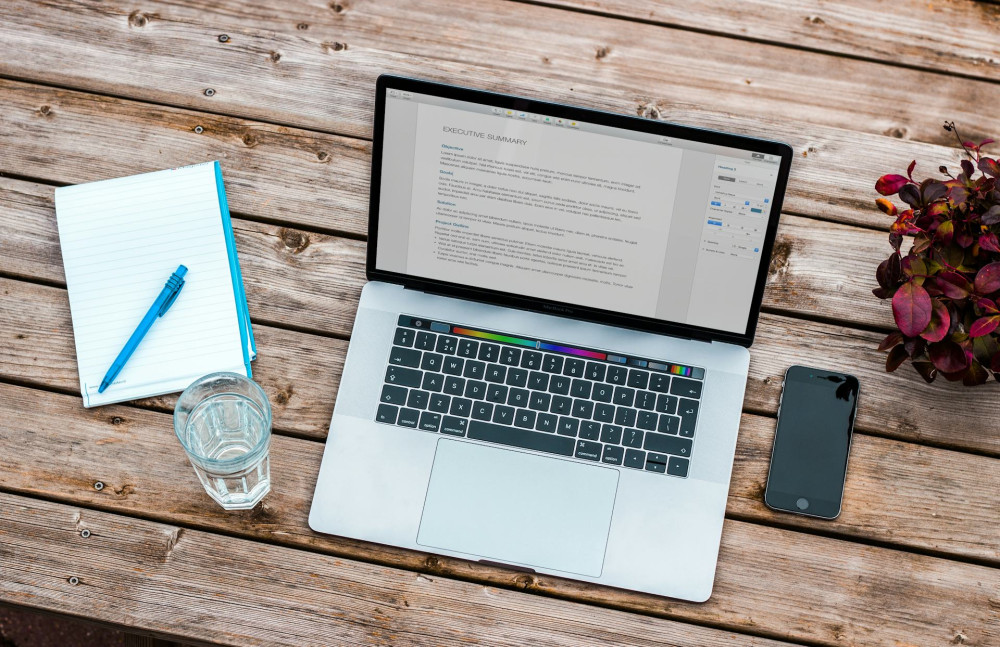
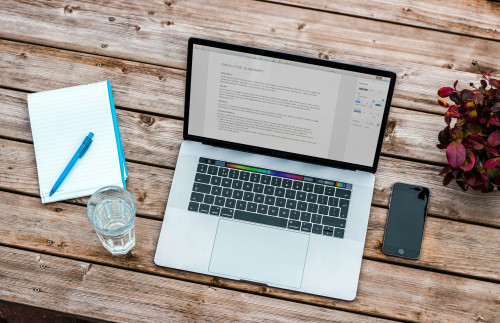
Before mobile and web apps, there were traditional computer programs — software you install on your PC or Mac. These include word processors, photo editors, games, or accounting tools.
Such programs are often more powerful and capable of handling large amounts of data. They can offer advanced features that mobile apps can’t easily match. However, they usually need manual updates and are tied to the computer they’re installed on.
Today, the lines are blurring. Many well-known programs — like Microsoft Office or Adobe Photoshop — now exist both as traditional desktop software and as web or mobile versions.
Why the Difference Matters
Understanding the difference between these types of apps isn’t just about tech jargon — it’s about how you use them. A mobile app is quick and accessible but may have limited features. A web app offers flexibility but depends on an internet connection. A computer program is powerful but less portable.
When choosing what to use — for work, entertainment, or communication — it’s worth considering what matters most to you: speed, flexibility, or functionality.
The Future: Blurring Boundaries
Technology is moving toward a world where these distinctions matter less. New approaches like Progressive Web Apps (PWAs) let you install web apps directly on your phone, while cloud computing makes heavy-duty software available through the internet.
For users, that means the experience — not the technology behind it — is what really counts. Whether you open an app, a program, or a website, what matters most is that it works quickly, securely, and intuitively.
Læs også: